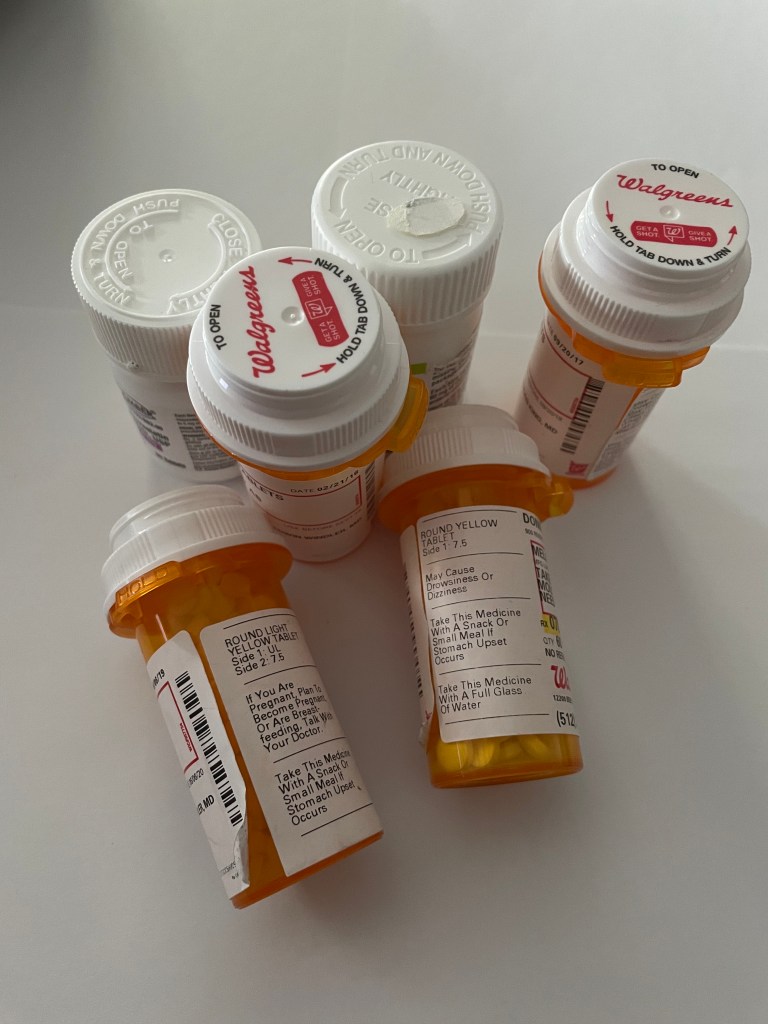
For thirteen years I worked as a medical director, chief medical officer and executive VP for medical affairs in the health insurance industry. One of my responsibilities in those roles was to manage the cost of prescription drugs for health plan members. I oversaw prescription drug formulary development and implementation, determined benefits for covered drugs, and for a time had responsibility for managing all pharmacy services from formulary management to network and rebate contracting.
After that time on the health insurance side, I spent about 18 years in the pharmaceutical industry, selling the benefits of pharmaceuticals to my old colleagues at the health plans. I liked to say that one of the main reasons that the pharmaceutical industry hired me was to keep me from working against them on the health plan side. This may actually have been true. At the same time, I believe in the benefits of prescription drugs, and even today I would say that prescription drugs are the best value in healthcare. This is particularly true if you consider the actual cost of prescription drugs paid by patients. That being said, the cost of prescription drugs is certainly out of control, and may be reaching the limit of its exceptional value proposition.
Let’s go back to the beginning with the classification of prescription drugs. Prescription drugs were defined by the Federal Food, Drug and Cosmetics Act (FDCA) of 1938, which in part was designed to ensure the effectiveness and safety of prescription drugs. Prior to that time, doctors and just about anyone else could compound and sell just about anything without any proof of effectiveness or safety. The FDCA may have had the effect of stimulating research and development of prescription drugs, as the first wave of new drugs came shortly after the Food and Drug Administration was established. By that time, health insurance coverage was also booming led by Blue Cross and Blue Shield insurance plans. As a way to differentiate themselves, some health insurance plans began covering prescription drugs as a benefit in the late 1950s.
In 1968 the first pharmacy benefit management company (PBM), Pharmaceutical Card System (PCS), Inc., provided a platform for health plans to administer prescription drug benefits at the pharmacy. The development of the PBMs coincided with the development of the health maintenance organization health insurance model which almost always included a prescription drug benefit. This growth in insurance coverage for prescription drugs provided incentive for the second great wave of pharmaceutical research and development that began in the 1970s. As a result of the Affordable Care Act of 2010, all qualified health plans now have a prescription drug benefit.
As with health care services covered under the medical benefit, the cost of prescription drugs has grown steadily for 50 years, and more recently, sharply. Under the insurance model, there are limited marketplace constraints on prescription drug prices. Pharmaceutical manufacturers can set prices and raise prices in the US without regulation. As with most of healthcare costs, competition does not result in lower costs for prescription drugs. In fact, the opposite is often true. For example, between 2010 and 2015, prices for drugs to treat multiple sclerosis increased by almost 500% in anticipation of the launch of new drugs into the market.
The first PBMs simply provided the platform and software to administer health plan prescription drug benefits. The development of the internet made it possible for almost anyone to create software to provide this service. The PBMs responded by expanding their business model to include the development and implementation of prescription drug formularies, which offered drugs at different benefit levels. The idea was to encourage the use of more cost-effective drugs by reducing the out-of-pocket cost of those drugs to the patient. The way that the PBMs profited from formulary models was by contracting with pharmaceutical manufacturers for discounts and rebates on drugs that would be formulary preferred and less expensive for patients. Unfortunately, because of this economic model, the most cost-effective drug was probably not be the preferred drug.
The Drug Price Competition and Patent Term Restoration Act of 1984 provided an incentive for the development and launch of generic drugs. Because of the relationship between PBMs and pharmaceutical manufacturers, it took over 10 years for generic drugs to have a significant impact on prescription drug prices. Finally, by the turn of the century, PBMs were promoting generic drugs as part of prescription drug formularies. By the second decade of the 21st century, PBMs actually began curbing the prices of new prescription drugs through aggressive contracting. Unfortunately, most of the savings went to the PBMs thru rebates from pharmaceutical manufacturers. Patients saw little to no relief from out-of-pocket costs.
Just as generic drugs were beginning to impact the cost of prescription drugs, research and development in the pharmaceutical industry turned toward specialty drugs. Specialty drugs are complex to manufacture and dispense, often indicated for rare diseases, and almost always high cost. Many specialty drugs are biologics, meaning that they are derived from living cells, an expensive process. Specialty drugs accounted for about 5% of all prescription drugs in 2020, but accounted for almost 50% of prescription drug costs. While non-specialty drug inflation is basically zero (mostly due to the impact of generic drug launches), specialty drug inflation has been 15-20% per year for about a decade. Specialty drugs may cost hundreds of thousands of dollars per year. The most expensive specialty drug costs $2.125 million dollars for a single intravenous infusion.
Pharmaceutical manufacturers have focused research and development on the specialty drug market. About 1/3 of drugs in the research and development pipeline are considered specialty drugs. These drugs will provide significant benefit for patients who currently do not have good options for treatment, but the cost will be high. PBMs and health plans have adjusted formulary benefits to cover specialty drugs, shifting a lot of cost to patients.
The Food and Drug Administration is only authorized to review the safety and effectiveness of pharmaceutical products. While there are independent organizations that make assessments of the value and reasonable pricing of prescription drugs, the pricing of prescription drugs remains unregulated. The current pricing trends are unsustainable, so something will have to give. The question is what.
Stay tuned for a proposed solution.








 Waterloo to Austin