Any city, and particularly a large and growing city, needs to acquire land and other property for city services and operations. Most of these properties operate for the benefit of the citizens of the city, and they are often a good deal for taxpayers. The City of Austin is no different. But the City of Austin also owns some properties that don’t benefit everyone, and some don’t seem to benefit anyone.
The City of Austin owns Austin Energy and Austin Water, providing public utility services for Austin residents. The City of Austin also owns Austin Bergstrom International Airport and many airport support facilities. While 90% of US airports are municipally owned, most operate at a deficit and require taxpayer subsidies. Last year ABIA lost $55 million during the pandemic. It received a grant from the CARES Act to cover operating losses. The question is – why do municipal utilities and airports operate so inefficiently?
The City of Austin has 47 fire stations, 14 Austin Police Department Facilities (including a facility for the mounted patrol), 21 libraries, and at least 64 parks and park facilities. Everyone appreciates these assets and they benefit the community – well, except for the mounted patrol. The only issue with a lot of these facilities is that the City chronically fails to provide adequate funds for maintenance and improvements. As an example, in 2019, local news outlets published stories about the poor state of the Austin Police Headquarters on 8th Street, which is almost 40 years old. Instead of maintaining it, the Austin City Council is considering demolishing it. It is now 2021 and nothing has been done.
And then there are things like the Austin Convention Center, which might have made sense to build at one time, but has probably out-lasted its benefit to the community. As with most municipally owned convention centers, the Austin Convention Center is a money pit (see the article “How to Operate a Profitable Convention Center”). So, what do you do when a convention center is not attracting enough business to turn a profit? First, you constantly remodel it and expand it. Then, if you are the City of Austin, you build a hotel across the street. The Austin Hilton opened in 2003, and somehow during construction, it became a mixed-use building with 98 condos. For the next 10 years, the Convention Center area still suffered from a lack of hotel rooms. But at least the developer profited from the sale of condos. Hilton operates the hotel for Austin Convention Enterprises, an entity funded by the City. The hotel would probably be a good deal for Austin if not for the lawsuits alleging shoddy construction and other issues mostly relating to the condominium owners. I wonder how we did during the pandemic?
Not content with owning one hotel, the City of Austin has bought 2 motels for almost $17 million and has proposed spending an additional $16 million on two more. These motels are supposed to house the homeless, but would accommodate less than 100 individuals per hotel. Everyone moves from a tent under a bridge to a private room with a private bath. The City is overpaying considerably for each of the motels according to property tax assessments, and the purchase does not include operating costs, which are estimated to be $25,000 per room annually (that’s $25,000 per person for lodging only). The Ending Community Homelessness Coalition (ECHO) will operate the hotels, and does not intend to require sobriety or mental health treatment as a condition of housing. ECHO has been the lead advocacy organization developing and implementing the City of Austin Action Plan to End Homelessness, endorsed by the City Council in April of 2018. How is that going?
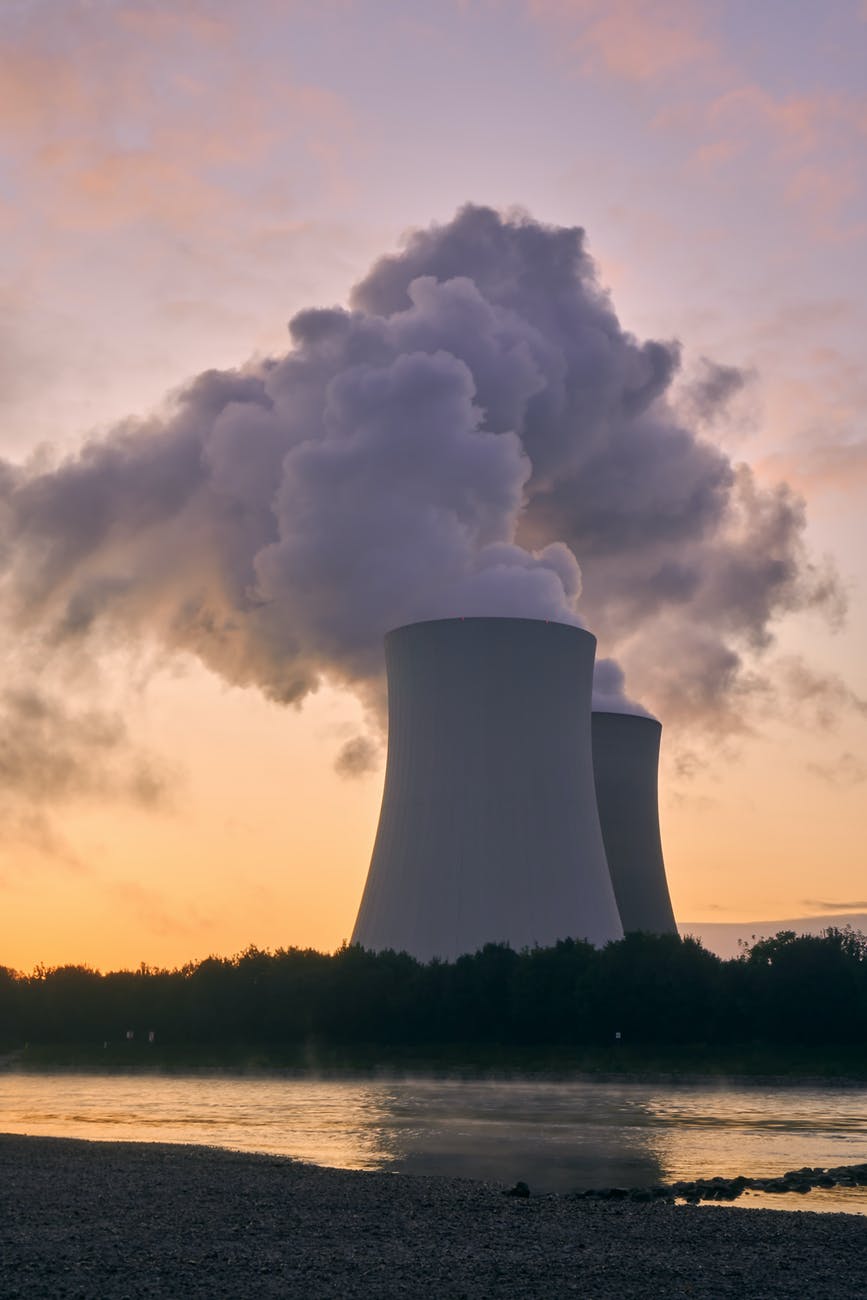
The City of Austin still owns a 16% stake in the South Texas Nuclear Project Electric Generating Station. This was an investment made in 1971 by the City along with the City of San Antonio, Houston Power and Light, and the Central Power and Light Company in Corpus Christi. The Project became a major debacle for everyone, with cost overruns delaying construction until 1979, when the Three Mile Island nuclear facility meltdown led to more regulatory delays. The facility finally began generating electricity in 1989, but has been plagued by safety issues and the inability to expand economically under the weight of stringent regulation. Austin has attempted to sell its stake many times, but for some reason cannot find a buyer. And since deregulation in 1995, the citizens of Austin do not benefit from the electricity produced by South Texas Nuclear. The electricity produced goes into the Texas grid, which we all know now is managed by ERCOT, and Austin Energy buys electricity from ERCOT.
But that didn’t keep the Austin City Council from buying into a 20-year contract with the Nacogdoches Generating facility in 2012. This facility is a biomass facility which mostly burns wood chips to generate electricity. I am confused about how this helps the environment, even though it may technically be renewable energy. Austin has been its only customer, and it has rarely produced electricity because it is too expensive to operate. Rather than continue to make mandatory payments under the contract over the next 13 years, the City of Austin bought the plant for $460 million in 2019, and it now sits idle. A head-scratcher.
In 1988, the City of Austin offered a ground lease to HealthSouth Rehabilitation to build a rehabilitation hospital next to Brackenridge Hospital, which the City also owned. Free-standing rehabilitation hospitals were a big deal in the HMO era. But less than 30 years into a 75-year lease, HealthSouth closed the facility in 2016. The City of Austin bought back the lease and a parking garage for a whopping $6.5 million (remember the City already owns the land). At the time, the City said the building was suitable for many different uses. No one else seems to think so, and the building has been unused. Now the City is considering selling the property for demolition and redevelopment. So I guess no return on the $6.5 million?
Finally, we now own a major league soccer stadium. The deal with Precourt Sports Ventures was approved by the City Council in March of 2018. Per the agreement, PSV will pay a lease to the City beginning in year 6 of operation. The City provided the land, and assumes ownership of the stadium which will open in June of 2021. While the stadium was privately financed, the city could be stuck with it, and the $260 million debt, if anything happens to PSV (now Two Oak Ventures). Despite the controversy about the City of Austin ownership of a soccer stadium, this was probably a good deal. The McKalla Place property that Austin donated was acquired by the city in 1995 from a chemical company that could not continue to operate under new environmental regulations. When the City tried to construct a storm sewer on the site in 2003, it found that the site was contaminated and had to sue the previous owner to assist with the cost of cleanup. Not surprisingly, the land has been unused until construction of the new stadium began in 2019. Check and see if there are still chemical odors when you visit.
 Waterloo to Austin