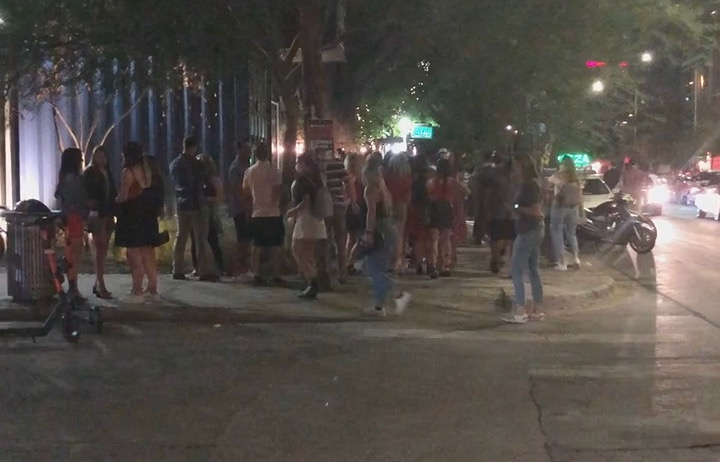
When Austin Mayor Steve Adler cancelled the South by Southwest Conference and Festivals on March 6, 2020, I was surprised. Honestly, I am not sure that I could have made that decision at that time. It was one of the first major events in the world to be cancelled or postponed. It wasn’t until three weeks later that most organizations began to announce changes in event schedules. Cancelling SXSW was clearly the right decision. But it had to be done with the understanding of the economic impact to the City of Austin, and with no indication of financial support from the state or federal government. I applaud the Mayor and the City Council for doing the right thing at the right time.
Now, after a complete failure of government at all levels to manage the pandemic, we are at a point where a difficult decision has to be made again. Yes, there is a vaccine on the horizon. But the effects of vaccination will not impact the pandemic for months.
First, consider the population to receive the first doses of the vaccine. This will be the high-risk population, the elderly, healthcare workers and nursing facility residents. These populations are already on lockdown and are using personal protective equipment, so we will not see a great impact in the number of new cases by vaccinating this population. 25% of the US population under age 65 have underlying health conditions like diabetes, immune disorders, and heart and lung disease. They will still be at risk until the second stage of vaccine roll-out.
Second, the Pfizer vaccine is a two-dose vaccine with doses given 3 weeks apart. Although there will be some protection to vaccinated persons within a week or so after vaccination, it will take six weeks for the full immune response to develop in vaccinated individuals. In the meantime, they are still at risk, could become infected, and could transmit infection to others. The Moderna vaccine which may be approved soon is also a two-dose immunization, given four weeks apart. It will take two to three months at least to vaccinate the high-risk population. So those receiving vaccine in February or March will not be fully protected until March or April.
Finally, it does not seem likely that we will have a single-dose vaccine (Johnson and Johnson) until late spring. Immunity with a single-dose vaccine probably still takes 3-4 weeks, but single-dose administration will speed up the process for vaccinating the entire US and world population. We may see the result of immunization in the high-risk population by March or April, with a decline in mortality rates. That is several months away. Even then, unless something else is done, we will continue to see high rates of community transmission through the middle of next year. And we know that low-risk adults and children will die from complications of coronavirus infection.
Here is what I recommend. We should have a national shutdown of all non-essential services beginning December 24, 2020 and lasting for two weeks. This is a period where economic activity slows significantly, so the economic impact will be decreased. Many non-essential organizations have holiday shutdowns. Children and other students will mostly be on holiday break, so we don’t need to worry about going to school. Everyone fretted about the impact of Thanksgiving holiday travel, so let’s make it easy not to fret. Interstate and international commercial travel should be prohibited. Hotels should close except to essential workers.
For the two-week period, everyone who can should work remotely. We have information about the activities and places that are associated with the highest risk of coronavirus transmission (https://www.texmed.org/TexasMedicineDetail.aspx?id=53977). These are all non-essential and need to close for at least two weeks:
- Indoor dining
- Bars and clubs
- Coffee shops and cafes
- Religious gatherings (including weddings)
- Gyms and fitness centers
- Indoor movie theaters and entertainment facilities
- Concerts, sports, and festivals with a large number of people (even outside)
- Non-essential manufacturing and processing
- Non-essential industrial and construction activity
Yes, we have to continue all of the other stuff, wearing masks, social-distancing and staying home. And wash your hands. As a physician, I took care of contagious people, including kids, almost every day. I virtually never got sick. I did not wear a face mask or a protective gown. I did wash my hands diligently. It works. One more thing about washing hands. Bacteria and viruses live in the oil on your skin. What do you use to remove oil? Soap. Save the disinfectant for hard surfaces.
We need support from the state and federal government to implement the shutdown and to protect small businesses from the economic consequences. The federal government must take the lead, because it is generally the only governmental entity that can spend at a deficit. The federal government also has the data to make payments to employers who have to shut down for two weeks (employers file employment taxes with the federal government). I am also in favor of grants to the states so that they can customize economic support at the local level. We do not need stimulus checks. The majority of Americans are able to work in essential jobs or remotely for now, and we may need this kind of economic stimulus later.
If we value human life (this should resonate with Republicans), we will do what needs to be done to try and get control of this pandemic. A two-week shutdown will take us in the right direction. Let’s hope it will be enough.
 Waterloo to Austin
How long after he canceled south by southwest did Adler schedule his vacation ?
LikeLike
It was certainly not appropriate for Adler to vacation in Cabo. But then, nobody told him he couldn’t.
LikeLike